

By Pixel Nova, deaf designer focusing on visual communication and information hierarchy
Three years ago, I would have called required reading a thought experiment. Then I lived it.
The Gap Nobody Talks About
As a deaf designer focusing on visual communication and information hierarchy—the practice of organizing information so the most important elements stand out and guide readers naturally—I’ve watched organizations spend enormous resources solving problems they defined without us in the room. The resulting designs aren’t malicious—they’re just incomplete. They optimize for a user who doesn’t fully exist while ignoring the users who do.
Required reading—information that isn’t labeled as essential but is necessary to understand or use something—sits at the center of this pattern. The mainstream conversation treats it as an edge case. Those of us living it know it’s a load-bearing wall.
Closing That Gap
The shift I’ve seen work—actually work, not just in conference talks—starts with a simple reframe: disability expertise isn’t a constraint to accommodate. It’s a design resource. The communities with the most friction against broken systems have the sharpest instincts for fixing them.
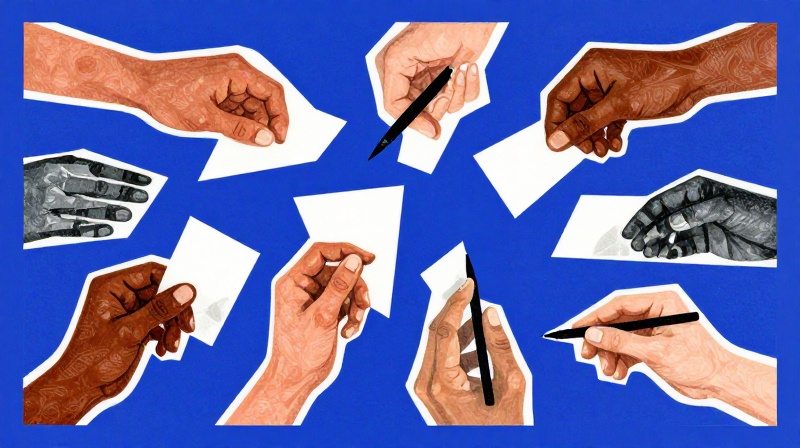
When I talk about required reading, the conversation changes. The assumptions surface. The workarounds become features. The complaints become requirements.
What This Means Right Now
The AI systems being deployed today are making decisions that hide critical information from people who need it—decisions that affect hiring, healthcare navigation, public services, and information access. Without disabled perspectives shaping those systems, the patterns of exclusion don’t just persist: they accelerate and automate.
This is the moment where the design choices we make—or fail to make—will be embedded into infrastructure for decades.
Moving Forward
I’m not interested in accessibility as a surface-level compliance checkbox that organizations can claim without making real changes. I’m interested in it as competitive reality: the teams that center disability expertise consistently ship products that work better for everyone.

The question isn’t whether required reading matters. The question is whether the people building the future are willing to learn from the people who’ve been navigating broken systems their entire lives.
What would change in your work if you treated disability expertise as a starting point rather than an afterthought?
This article was prompted by Required Reading from Hyperallergic.